Jennifer Aniston has long been celebrated as a symbol of independence, confidence, and timeless style. From her role as Rachel Green on Friends to her successful film and television career, she is often portrayed as the ultimate example of a modern, self-sufficient woman. But is this image truly reflective of who she is, or has it been shaped—and amplified—by the media?
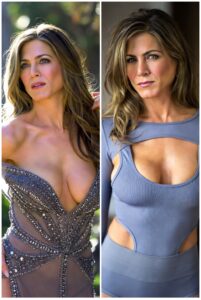
There is no doubt that Aniston’s career choices reflect independence and agency. She has consistently taken roles that allow her to express her talent, from romantic comedies to more dramatic projects, and has expanded her influence by producing shows that highlight complex female characters. Her ability to maintain relevance in Hollywood for over thirty years, without compromising her personal values, further supports the image of a strong, self-directed woman.
However, media narratives have played a major role in constructing and reinfo
rcing this image. Headlines often focus on her personal life, relationships, and appearance, framing her as the “ideal woman” in ways that simplify her real experiences. The portrayal of Aniston as effortlessly beautiful and eternally successful contributes to the public perception of her as a cultural icon, sometimes overshadowing the hard work, challenges, and decisions behind her career.
Despite this, Aniston has managed to balance media attention with authenticity. She speaks openly about the pressures of fame, challenges of public scrutiny, and the importance of maintaining boundaries. By controlling her narrative and choosing projects aligned with her values, she demonstrates real agency within the constraints of celebrity culture.
Ultimately, Jennifer Aniston’s status as an independent woman icon is both genuine and media-enhanced. While the media has shaped the public’s perception of her, her talent, resilience, and intentional choices prove that she is far more than a manufactured image—she is a real example of navigating success and identity in the spotlight.
Leave a Reply